
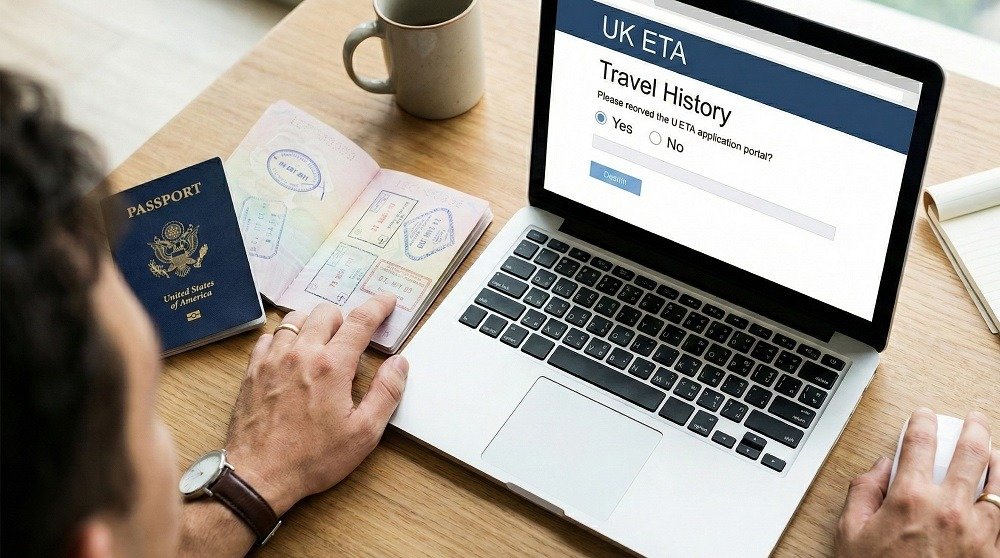
The UK Electronic Travel Authorisation (ETA) system is designed to be fast. For most Malaysians, it is a simple online form. However, there is one section that causes immediate anxiety: Travel History.
You might be wondering, “Do I need to list that trip to Thailand eight years ago?” or “Will my rejected US student visa affect my entry to London?”
These worries are valid. The UK Home Office uses this section to screen for “suitability.” A simple mistake here, even an honest one can be interpreted as deception. This can lead to an automatic refusal or, in severe cases, a travel ban.
This guide cuts through the confusion. We will explain exactly what UK Visas and Immigration (UKVI) checks, what you must declare, and how to avoid the “adverse history” trap.
If you are unsure about your specific situation, uketa.com.my can review your application details to ensure accuracy before you submit.
The “Suitability” Check: What Is UKVI Actually Looking For?
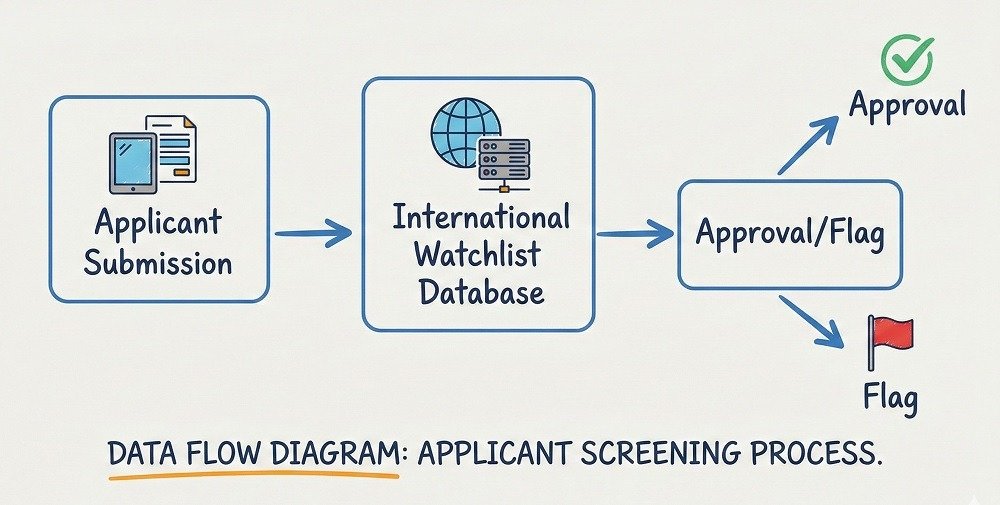
When you apply for a UK ETA, a human officer is not manually reading your file immediately. Instead, your application goes through an automated digital screening.
This system checks your passport details and answers against massive security databases. They are looking for Suitability Criteria.
They are not interested in your holiday photos or routine trips to Singapore. They are scanning for risk factors:
- Security Threats: Links to terrorism or serious crime.
- Immigration Abuse: Previous overstays or illegal work.
- Criminality: Any past convictions, in Malaysia or elsewhere.
The system uses Biometric Data sharing. The UK shares immigration data with international partners (including the USA, Australia, Canada, and New Zealand). If you have a flag in one of these countries, the UK likely knows about it.
Adverse Immigration History: The Questions You Cannot Get Wrong
This is the most critical part of your application. You must answer these questions truthfully. “I forgot” is rarely accepted as a valid excuse by Border Force.
Visa Refusals (It’s Not Just About the UK)
Many travelers believe they only need to declare UK visa refusals. This is false.
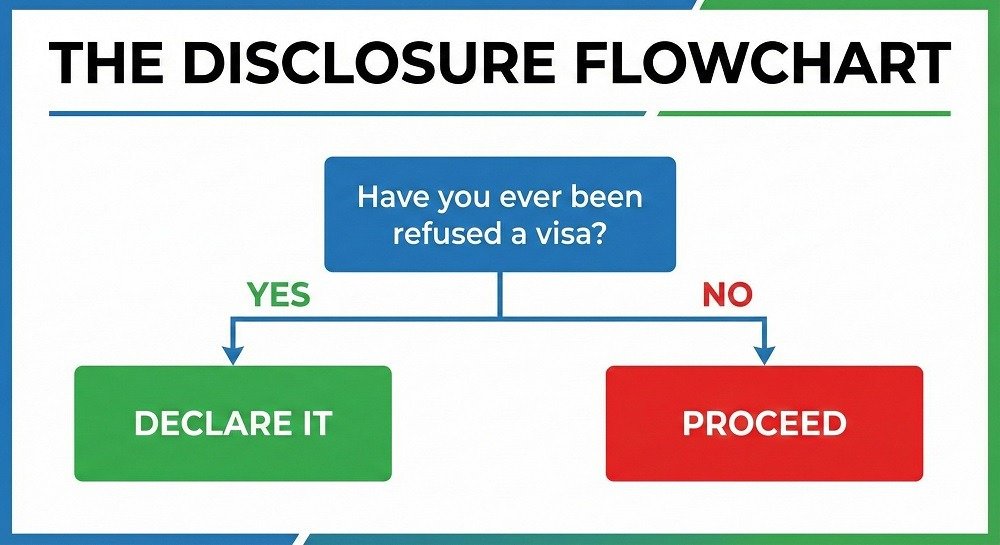
You must declare if you have been refused a visa for any country.
- Example: Did the USA deny your tourist visa in 2018? You must tick “Yes.”
- Example: Did a Schengen country reject your application due to missing documents? You must tick “Yes.”
Declaring a refusal does not mean your ETA will be rejected. Hiding it, however, is considered deception. Deception leads to a refusal.
Deportations, Removals, and “Voluntary Returns”
You must disclose if you have ever been:
- Deported.
- Removed from a country.
- Required to leave voluntarily.
- Refused entry at a border (e.g., turned away at an airport).
If you were stopped at a border and put on the next flight home, that is an “Adverse Immigration Event.” It is on your record.
The “10-Year History” Myth: Do I Need to List Every Holiday?
There is significant confusion between the Standard Visitor Visa and the UK ETA.
If you apply for a Standard Visitor Visa, you often have to provide a detailed 10-year travel log. The ETA is different. It is a “light-touch” permission.
Unless the form specifically asks for a full travel log (which is rare for standard ETA applicants), you generally do not need to list every weekend trip to Batam or Hat Yai. Focus on the questions asked, which prioritize adverse history over routine history.
Comparison: What You Declare
| Feature | UK ETA Application | Standard Visitor Visa |
| Primary Focus | Security & Adverse History | Full Immigration & Financial History |
| Visa Refusals | Must Declare (All Countries) | Must Declare (All Countries) |
| Routine Travel | Generally not required | Detailed 10-year log often required |
| Proof of Funds | Not required | Bank statements required |
| Processing Time | Hours/Days | Weeks |
Dual Citizenship & Second Passports: A Trap for the Unwary
Do you hold dual citizenship or a second passport? This applies to very few Malaysians due to local laws, but it is relevant for those with residency rights or complex statuses.
Immigration history is linked to the person, not the physical passport.
If you were deported from Australia while using Passport A, you cannot hide this by applying for a UK ETA using Passport B. The biometric scan (facial recognition) will link the two identities.
Rule of Thumb: If you have ever held another nationality, declare it. If you have adverse history under that nationality, declare it.
Common “Travel History” Mistakes That Trigger Manual Review
Most delays happen because of simple user errors. Avoid these common pitfalls to ensure your ETA is approved quickly.
- Confusing “Refused Entry” with “Missed Flight”: If you were denied boarding because your passport had less than 6 months validity, that is usually a carrier refusal, not an immigration refusal. However, if you arrived at Heathrow and Border Force sent you home, that is an immigration refusal.
- Ignoring “Spent” Convictions: Immigration law is different from employment law. Even if a crime is “spent” in Malaysia (removed from your record after a certain time), the UK requires you to declare it for visa purposes.
- Typos in Dates: Ensure the year of any declared refusal matches official records.

How to Check Your Own Travel History (If You Forgot)
If you know you have a “spotty” history but cannot remember the dates, do not guess. Guessing leads to data mismatches.
- Check Old Passports: Look for the specific “Refused Entry” stamps or black cross marks.
- Search Your Email: Search for keywords like “Refusal,” “Decision,” “Embassy,” or “Home Office” to find old rejection letters.
- Contact Authorities: In rare cases, you may need to submit a Subject Access Request (SAR) to the UK Home Office to see what data they hold on you before applying.
What to Do If Your History is “Complicated”?
If you have a clean record, the ETA process is seamless. You can apply directly.
However, if you have:
- A recent criminal conviction.
- A history of overstaying in the UK.
- A visa refusal within the last 12 months.
You may face a higher risk of rejection. In these cases, it might be safer to apply for a Standard Visitor Visa instead of an ETA, as it allows you to explain your situation in detail.
For Malaysian travelers who want peace of mind, uketa.com.my offers professional review services. We check your details against current requirements to minimize errors before your application reaches the Home Office.
Frequently Asked Questions (FAQ)
Do I need to list every country I visited in the last 10 years for a UK ETA?
No, usually not.
The UK ETA application focuses primarily on adverse immigration history (refusals, deportations, bans). Unlike the Standard Visitor Visa, you do not generally need to log every routine vacation to low-risk countries unless specifically prompted.
Will a US or Schengen visa refusal affect my UK ETA application?
Yes, it can.
The UK shares intelligence with the US and European partners. You must declare any refusal from any country. Failing to declare it is considered “deception” and can result in an automatic ban, even if the original refusal was minor.
What happens if I make a mistake on my travel history in the UK ETA form?
It depends on the severity.
A wrong date on a holiday is usually fine. However, omitting a criminal conviction or visa refusal is serious. If you realize the error before travel, contact UKVI immediately. If realized after a refusal, you will likely need a Standard Visitor Visa to resolve it.
How far back does the UK ETA background check go?
Permanently.
Security and immigration checks look at your entire lifetime history. For criminal convictions, you must declare them regardless of how long ago they occurred. There is no time limit for declaring adverse immigration history like deportations.
Does the UK ETA ask about dual citizenship travel?
Yes.
You must declare all nationalities you hold. The system cross-references history associated with all your passports. Using a clean passport to hide a refusal on a different passport is fraud and will be detected by biometric checks.

